

Table of Contents
- Define Your Durability Needs First
- IP68 vs 5ATM Water Resistance Explained
- Assess Shockproofing and Impact Resistance
- How to Maintain Wearable Tech Battery Health
- Best Rugged Smartwatches for Outdoor Use
- Check Device Compatibility and Software Support
- Evaluate Build Quality and Materials
- Conclusion
Last Updated: August 22, 2026
Choosing durable wearable tech requires understanding more than just features and price. It's about identifying which devices will survive your actual lifestyle and remain relevant for years to come. At Gadgetry, we've curated a selection of wearable devices, and the ones that stick around share specific durability traits that most buying guides overlook.
This guide walks you through how to choose durable wearable tech by examining the technical standards, materials, and support lifecycles that separate gadgets that fail in six months from those that last for years. We'll cover water resistance ratings, shockproofing, battery longevity, and the often-ignored software support lifecycle that determines whether your device becomes obsolete or continues delivering value.
Define Your Durability Needs First
Before evaluating any specific device, understand what "durable" means for your situation. Durability is the intersection of physical resilience, environmental tolerance, battery longevity, and software support.
A runner's durability needs differ from a construction worker's. A construction worker needs a device that survives daily impacts, dust, and mud. A runner prioritises water resistance, battery life across multiple workouts, and ecosystem integration. Start by listing your actual use cases: Will your wearable face regular water exposure? Daily sweat? Dust and dirt? Temperature extremes? Accidental drops? Once you've identified these stressors, you can evaluate devices against them.
Next, consider your replacement timeline. Are you comfortable replacing a device every 2-3 years, or do you want something lasting 5+ years? This dramatically changes which specs matter. A device with excellent battery longevity but limited software support might feel poor if you expect to keep it five years.
IP68 vs 5ATM Water Resistance Explained
Water resistance is where most people get confused. The two rating systems, IP (Ingress Protection) and ATM (atmospheres), measure different things.
IP68 means complete dust protection (first digit: 6) and the device can withstand immersion beyond 1 metre for extended periods, typically tested at depths up to 1.5 metres for 30 minutes. IP68 is what you want for everyday water exposure: showers, rain, accidental splashes, and light swimming.
5ATM (five atmospheres) translates to water resistance at depths up to 50 metres for 10 minutes. However, ATM ratings don't account for dynamic water pressure. You can wear a 5ATM device while swimming, but not while diving or during high-impact water sports.
The critical difference: IP68 is tested with fresh water under controlled conditions. 5ATM includes salt water testing. If you're near the coast or swimming in ocean water, a 5ATM rating provides better real-world protection because salt water is more corrosive to electronics.
For typical use, IP68 is sufficient for daily wear. If you're a competitive swimmer or water sports enthusiast, look for 5ATM or higher.
Assess Shockproofing and Impact Resistance
Physical durability separates devices that survive accidental drops from those that don't. Most durable wearable tech uses one of three impact-resistance approaches: elastomer bumpers (soft rubber or silicone frames that absorb impact), reinforced corner protection with metal or hardened plastic, or unibody designs using titanium or aerospace-grade aluminium that distribute impact forces across the entire structure.
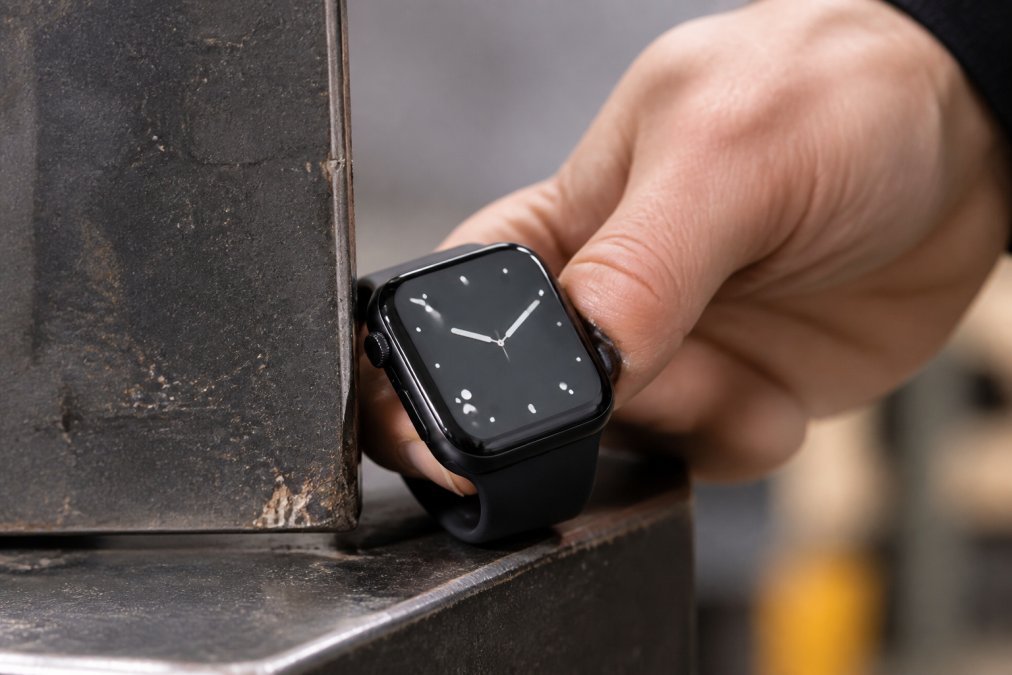
Beyond the frame, screen protection matters enormously. Gorilla Glass (especially Gorilla Glass Victus) is the industry standard for shatter resistance. Many budget devices use standard tempered glass, which is adequate for light drops but shatters more easily. Some manufacturers use sapphire crystal, which is harder but more brittle.
The real measure of impact resistance is the drop-test rating. Look for devices tested to MIL-STD-810H standards, the US military durability specification (defense.gov). A device rated for 1.5-metre drops onto concrete has undergone formal testing.
Battery placement affects survivability too. Devices with the battery positioned in the centre of the case distribute impact forces more evenly and reduce the risk of battery damage from drops.
How to Maintain Wearable Tech Battery Health
Battery longevity determines whether your device remains useful or becomes obsolete. Most wearable tech uses lithium-ion batteries, which retain roughly 80% capacity after 300-500 full charge cycles, then decline more rapidly (peer-reviewed research).
Frequent partial charges (charging from 20% to 80% rather than 0% to 100%) extend battery lifespan significantly. If you charge your device daily, expect noticeable degradation within 18-24 months.
Temperature management is critical. Lithium-ion batteries degrade faster when exposed to heat. Leaving your wearable in direct sunlight or near heat sources accelerates degradation. Cold temperatures temporarily reduce capacity but don't cause permanent damage.
Firmware updates affect battery health significantly. Manufacturers often optimise power management through software updates, improving efficiency and extending battery life. Devices with strong software support (regular updates for 3+ years) tend to maintain better battery efficiency over time.
The most durable wearable tech typically offers 5-10 days of battery life per charge. Devices claiming 30-day battery life usually achieve this by disabling most sensors or using extremely low-resolution displays. If durability matters to you, prioritise devices with 5-10 day battery life and regular firmware updates.
Best Rugged Smartwatches for Outdoor Use
Outdoor environments stress wearable tech harder than any laboratory test. Devices designed specifically for outdoor use incorporate features that casual smartwatches skip.
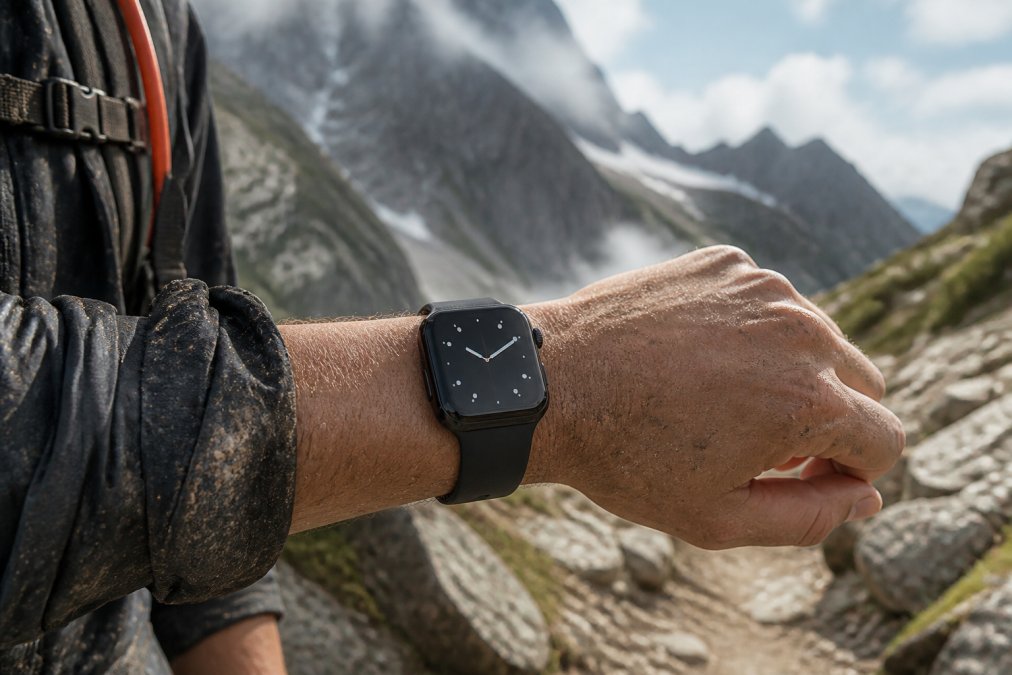
For outdoor use, prioritise devices with a transflective or e-ink display rather than AMOLED. Transflective displays remain readable in direct sunlight and use a fraction of the power, extending battery life during multi-day trips.
Look for built-in GPS and offline mapping capabilities. Outdoor-focused devices integrate GPS directly and store detailed topographic maps offline, essential for hiking or any activity where you'll lose cellular signal.
The Gadgetry Smart Fitness Watch with Multiple Sport Modes at £27.99 offers solid baseline durability with multiple sport tracking modes, though it's better suited for gym and casual outdoor use than serious backcountry work. For more demanding scenarios, consider devices with barometric altimeters, compass functions, and multi-band GNSS receivers.

Strap durability matters more than most reviews mention. Outdoor devices experience constant friction from backpacks and terrain. Look for quick-release strap systems so you can swap damaged straps without replacing the entire device. Silicone and fabric straps are more durable than leather for outdoor use.
Check Device Compatibility and Software Support
A device with excellent hardware but weak software support becomes obsolete faster than one with adequate hardware and strong support. Software support determines whether your device receives security patches, feature updates, and optimisations.
Check the manufacturer's stated support lifecycle. Apple typically supports smartwatches for 4-5 years (apple.com). Garmin supports most devices for 5+ years. Many budget manufacturers provide updates for 2 years or less.
Ecosystem lock-in is real but manageable. An Apple Watch requires an iPhone. Wear OS watches work with Android and increasingly iOS. Garmin devices work independently but sync better with Garmin's ecosystem. Before buying, confirm the device works with your existing smartphone.
Repairability is undervalued in wearable tech. Most smartwatches are sealed units where components cannot be replaced. A cracked screen means replacing the entire device. Understanding the manufacturer's repair options affects true cost of ownership.
Data backup and export capabilities matter for devices that track health data. Can you export your fitness history if you switch devices? Devices with open data export are more future-proof because you're not trapped by a single manufacturer's ecosystem.
Evaluate Build Quality and Materials
The materials used in your wearable tech directly determine how it ages. Stainless steel resists corrosion and looks professional but is heavier than aluminium and more prone to scratching. Titanium is significantly more durable, lighter, and corrosion-resistant, but devices using titanium cases typically cost 50% more.
Anodised aluminium is lightweight and corrosion-resistant, used in most premium wearables because it balances weight, durability, and cost. Thicker anodising resists scratching and corrosion better than thin coatings.
For the display, Gorilla Glass Victus is the gold standard. It resists scratching and shattering better than standard tempered glass. For outdoor use where you might encounter dust and sand, Gorilla Glass Victus is the better choice.
Sealing and gaskets determine water resistance in practice. Over time, gaskets degrade and seals fail. Devices that allow gasket replacement maintain water resistance longer. Most consumer wearables don't support gasket replacement, so water resistance typically declines after 2-3 years of regular use.
The Gadgetry Smart Watch at £79.99 uses a balanced approach with mid-range materials, adequate for daily wear and light outdoor use. If you're planning to keep a device for 5+ years, investing in titanium or premium stainless steel is worthwhile.

Look for devices with environmental stress testing documentation. Manufacturers that publish results from thermal cycling, humidity testing, and salt-spray corrosion testing are confident in their durability.
Conclusion
Choosing durable wearable tech means prioritising longevity over trend-chasing. The most durable devices share specific traits: IP68 or 5ATM water resistance, reinforced corner protection, 5-10 day battery life, 4+ years of software support, and materials that resist corrosion and impact. They're often less fashionable and more expensive than casual smartwatches, but they deliver value across years rather than months.
At Gadgetry, we've carefully selected wearables that balance durability with everyday usability. The Gadgetry Smart Fitness Watch offers proven durability for fitness tracking and casual outdoor use, while our curated range includes devices designed for serious outdoor environments. Explore our wearable tech collection to find devices built to last, backed by fast worldwide shipping and hassle-free returns. Add to cart and upgrade to wearable tech that keeps up with your life.
Frequently Asked Questions
What IP rating do I need for a durable smartwatch?
IP67 or higher is the minimum for everyday durability. IP67 means the device can survive immersion in 1 metre of water for 30 minutes. IP68 is superior, offering protection at greater depths and durations. For outdoor and water-based activities, IP68 is the better choice. Check the manufacturer's specifications before purchasing, as ratings vary significantly between models. The rating alone doesn't determine overall durability, combine it with shockproof testing and material quality for a complete picture.
How does battery degradation affect the lifespan of wearable tech?
Battery capacity typically degrades 2-3% annually in well-maintained wearables. After 3-4 years, most devices lose 10-15% of original battery capacity, affecting daily usability. Lithium-ion batteries suffer faster degradation when exposed to extreme temperatures, overcharging, or deep discharges. To extend battery health, avoid leaving devices at 100% charge constantly, keep them away from heat, and use manufacturer-approved chargers. Regular firmware updates can optimise power management. If battery life drops below acceptable levels before other components fail, the device may become impractical despite remaining structurally sound.
What are the common signs of poor build quality in wearables?
Watch for loose buttons, creaking frames, or visible gaps between components. Poor-quality devices often have misaligned screens, unresponsive sensors, or unreliable connectivity. Check user reviews for reports of premature battery failure, screen degradation, or strap breakage. Examine the device in hand, quality wearables feel solid without flex in the case. Materials matter: stainless steel and sapphire crystal resist scratches better than plastic and standard glass. Reputable brands publish durability test results; if a manufacturer doesn't disclose environmental stress testing or material specifications, that's a red flag.
Are rugged smartwatches worth the extra investment?
Yes, if you use your wearable in demanding environments. Rugged models cost more upfront but often outlast standard smartwatches by 2-3 years due to superior materials, better impact resistance, and enhanced water sealing. They maintain functionality longer in extreme conditions, cold, heat, dust, and moisture, where standard devices fail. For office-based professionals, a standard smartwatch suffices. For outdoor workers, athletes, or frequent travellers, the durability investment pays dividends through reduced replacement costs and fewer frustrating device failures when you need them most.
This article was written using GrandRanker

